A few weeks ago, during a two-hour photo session, I made 50 digital exposures. After loading the images onto my computer, I made an initial review and selected seven frames that I thought had potential. I ended up working with two of the images and I printed them as final prints. The remaining images did not visually excite me. My selection process does involve some technical considerations (focus, sharpness, etc.) but is based mostly on whether my eye and brain connect with the image. I am always disappointed that I do not have more images that make my final selection but this is normal for me. I always have high hopes.
Several weeks passed and I decided to look through the thumbnails again to see if I may have overlooked any images. A couple of images that had made it to the good pile but didn’t make it to the top looked much better to me. I began working with them and ultimately printed them as final prints.
I have always found that it is better to let some time lapse between snapping the images and reviewing them. Adding some time distance seems to work best for me. I will download digital images or scanned negatives but do not spend much time with them for days and even weeks. The most recent photo session is a good example of why I should not hurry the review process and be patient. The question I ask myself is “Why do I see my images differently after some time passes?”
There are two main areas that I think impacts the image selection process: time and fiscal constraints; and the unconscious.
Time and Money
Photography is expensive and I always had a tight budget. The cost of equipment, photo paper, film, darkroom processing and model fees quickly add up. This forced me to be very critical of the images I selected and how I used my time. Spending a day in the darkroom was a luxury. I was happy to get two finished prints completed after an eight-hour day. Time was valuable. I had a full-time job (not in photography), a part-time adjunct photography teaching position and family responsibilities which did not allow much time for my personal photography.
The Unconscious
Many years ago, I wrote an essay titled: “The Role of the Unconscious in the Creative Act”. I am adding this document as a separate post.
I believe time also plays a role in how our brain perceives and the unconscious processes images. Sometimes an image will connect in a way that we are not aware of. The artist Marcel Duchamp referred to the “aesthetic echo” that reverberates inside the mind. Upon a later viewing of older images with a fresh eye perhaps this “echo” surfaces and connects with the image.
Conclusion
For me, this is a difficult subject to try to explain and put into words. I may not completely know the how and why as to why images for me improve with time but I know that change occurs. Perhaps the process is like making a good stew. The longer it simmers the better it tastes. The longer an image simmers the better it looks.
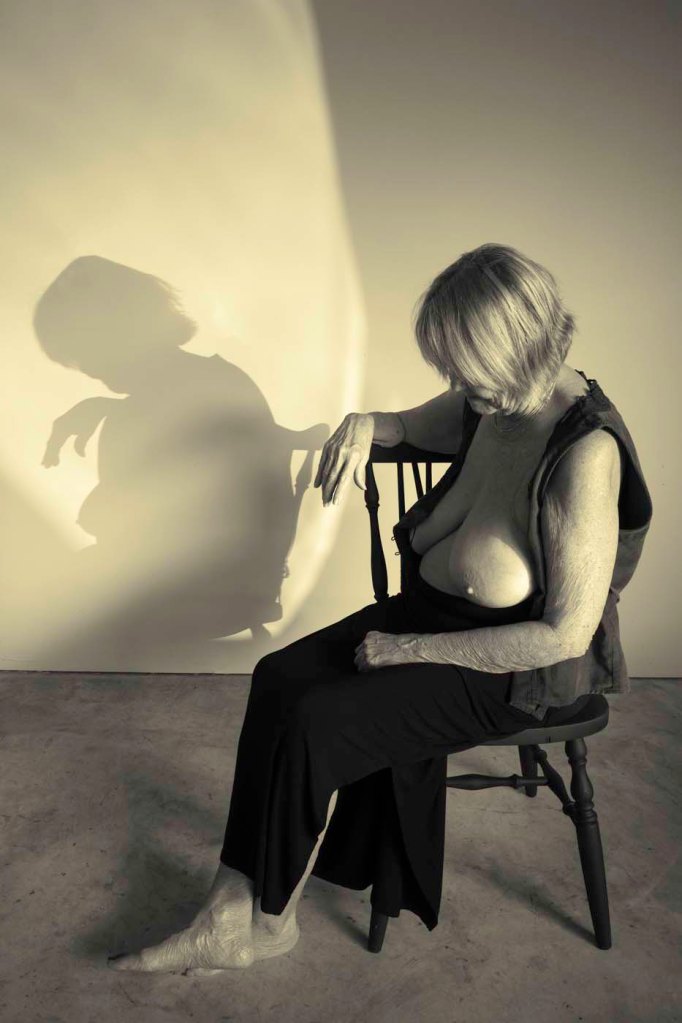
Nude with Shadow (image that I initially overlooked) Black and white image taken with Ricoh GR-IV Monochrome with yellow toning added

