Photography covers the full spectrum of personal emotions. I want to address the various emotional states that the act of photographing can elicit in the photographer. There are photo historians, photo critics and photo curators who write reviews, articles, essays and books about photography and they experience their own emotional states as a viewer of photographs and they address their feelings regarding what they see and feel. Photographers, as the creator of images, experience their own set of emotions, which can be varied and intense over the course of creating a finished photograph. I have seen little writing by photographers regarding their emotions from start to finish in the act of creating a photograph. Edward Weston in his Daybooks is one of the best examples of a photographer expressing his emotions. My experience as a fine art photographer is that there are three phases in the photography process and different emotions are associated with each phase. The phases are: (1) the planning phase, (2) the shooting phase, and (3) the processing phase. There can be a fourth phase, the “show and tell phase”, when and if the photographer decides to exhibit photographs for public viewing, but for now I will focus on the first three that involve image creation.
The phases and emotions discussed are directly related to “fine art photography” where the intent is to create an image that transcends the commonplace and can reach some level of the artistic. I consider myself a “fine art photographer” or at least I strive to be one, but on occasion I am a “snapshooter” recording a family event or travel experience. As a “snapshooter” I am more casual and do not experience the same emotions or the intensity of emotions when I am the “fine art photographer.” For me they are very distinct and different experiences and seldom, if ever, overlap. For me, snapshots do not become fine art photographs.
The “planning phase” is when decisions are made on equipment, subject matter, location, and in my case a model when I work with the nude. For some photographers there may be a spontaneous shooting experience where there is little or no pre-planning, but for me I find that it is a rare phenomenon. I just have to get mentally ready and usually have to work out the details. For me, spontaneity plays a strong role during the shooting phase.
Emotions in the “planning phase” are related to the decisions you make and results that you hope to achieve. Anticipation and excitement are emotions that can be countered with anxiety and self-doubt. You look forward to the photo experience, but you wonder whether it will be successful and worth the effort. Have you made the right decisions on equipment and location or will you regret your choices? Will the model show up or cancel at the last minute? Leading up to the “shooting phase,” the anxiety can build and I can get a little nervous. I am already wondering whether I will be able to create at least one “strong” image or will the shoot be one big failure? The intensity of these feelings can also be dependent on the resources (time and money) that have already been invested.
Some of the emotions from the “planning phase” can spill over into the “shooting phase,” but once the camera is in hand a new set of dynamics take over. A level of intensity takes control and my focus centers on the environment, subject/model, lighting conditions, etc. For varied time periods, from a few seconds to a few minutes, I may enter what is sometimes referred to as “the zone,” but I feel this term is too vague and does not adequately describe the photographer’s experience. I originally thought that “period of intensified concentration” was more descriptive of these special moments, which can also apply to a writer, artist and other forms of creativity and even sports where someone may say that the player is in the “zone.” After additional contemplation, I believe that specific to photography a more appropriate term is “period of intensified perception.” Concentration certainly plays a major role, but the visual act of seeing is critical. Sometimes this “period of intensified perception” is never attained or I may have to be visually engaged for an hour or two before I experience it. When this does occur it may be the stage when areas of the brain are activated which can push creative thought into the realm referred to in psychological terms as the “subconscious” or “unconscious.” There is more information regarding this in my other writings, “The Role of the Unconscious in the Creative Act” and “The Role of the Unconscious in the Creative Act—New Discoveries and Updated Thoughts.” Plus, using the term “period of intensified perception” is a more descriptive term that is more understandable for individuals not interested in the psychology of the mind.
Other emotions that I relate to the “shooting phase” include: astonishment when everything comes together as you hoped it would; frustration and even disappointment when one or more various elements seem to prevent you from getting the image you think you want; surprise when something unexpected happens and you get a shot that you did not know existed. As you pack up your gear and call it quits, you may experience a sense of elation when you think everything went really well. A good day shooting is no guarantee of a good set of images and a bad day can give you that one great image. Sometimes you don’t know until you get to the “processing phase.” When shooting digital and having the ability to review shots, I find it difficult to determine what is good and what is not while on location. For the few photographers still using film, you definitely won’t know what you have until you are in the darkroom. I find it useful to put some time (days and even months) between a shoot and actually working with the images… sort of a cleansing of the visual palate.
The “processing phase” involves either developing film and printing it in the darkroom or developing a digital image with a software program and printing it with a digital printer. I find that I spend about the same amount of time with either method when completing a finished print. For me digital did not make photography easier.
My emotional experience with the “processing phase” starts with hope. I hope exposures were accurate, the focus sharp, the lighting just right and that there will be at least one image that will jump out visually. Sometimes elation can be tempered with disappointment. An image that initially looked promising can become a reject upon closer inspection. Of course, the opposite sometimes occurs when an image initially overlooked turns out to be one of my best shots to my dismay and amazement. I believe that all individuals interested in photography have an active sense of curiosity and take pride in achievement. I also believe that all serious photographers will experience emotional ups and downs throughout their photographic lives. Hopefully, there will be more days of satisfaction rather than disappointment, more days of happiness, enjoyment, and amazement, and fewer days of sorrow, despair and frustration. Celebrate the good days and cope with the bad days, using them as a learning experience. Success and failure are part of the fabric of photography.
Note: I referred to this essay in the previous post (Photography and A.I)
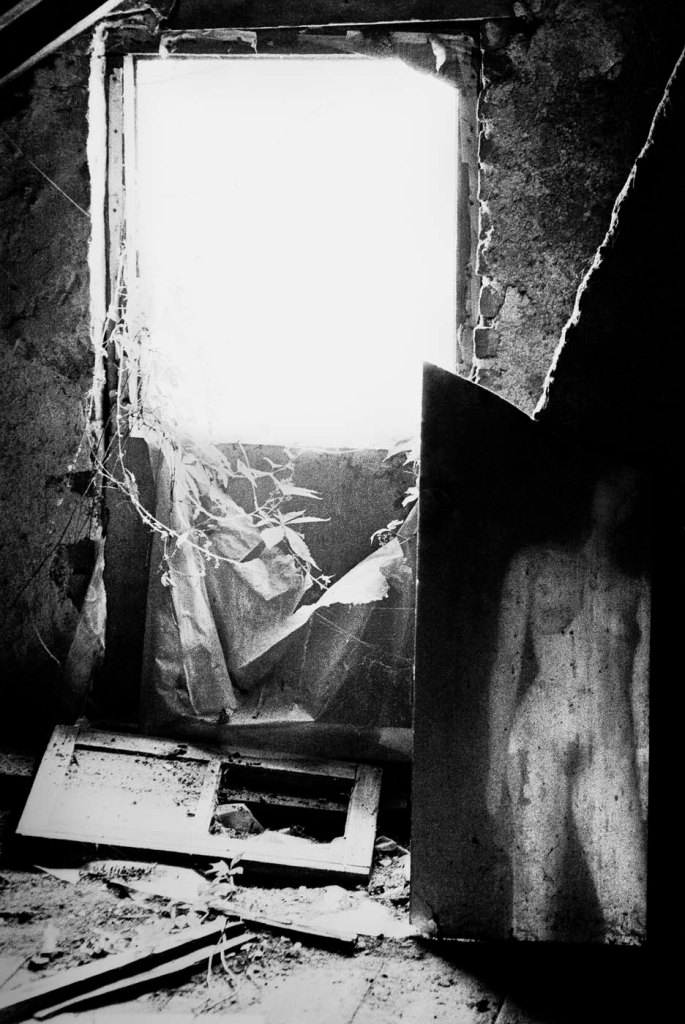


 Sleeping Mind Photography