I keep coming back to the topic of digital technology and its relationship to photography. I believe technology has had more of a negative impact than a positive one on the quality of fine art photographs made today and going back to the beginning of this century. I refer to this period of time as the “age of digital interruption”. In the photography historical timeline, I believe this period will be viewed as a step backward or at best a period of stagnation.
Part of the problem is technology itself and how it has affected concentration that is needed to create photographs that rise above the mundane. I also blame social media for dumbing down the quality of images. Visual acuity has been dampened by the impersonal “likes” and “thumbs up” given by viewers which then give a false sense of importance to the image maker and the quality of their photographs. The inability to focus attention and the lack of concentration may also be major contributors to the uninspired output of photographs. Today’s digital mind doesn’t want to spend time looking, thinking and interpreting images. It wants a steady stream of information and the ability to make a cursory comment. Volume is more important than quality and personal introspection.
I still make what I think are very creative photographs using digital photography but I sometimes feel that my film and darkroom work was better. The question is why. What is the impact of digital versus film photography? Here are a few thoughts.
With digital you can expose hundreds of frames in a very short time whereas with film photography you were limited by the number of frames on a roll. I believe film required more thought and care because of the cost of each roll and the cost of processing. Visual care was important when working with film. A photographer did not want to waste film. With a digital camera the only limit is the capacity of the memory card. Expose many frames and hope there is one good image.
In film days, I think it was more important to get the exposure correct. There was limited latitude in making corrections in the darkroom to a print. In digital, a photographer can be a little lazy knowing substantial changes can be made during the processing stage.
When using film there was no choice but to pay attention to what was in front of the camera. You could keep your eye on the subject. Concentration was not interrupted. I find that digital photographers like to take a peek at the screen to see what they got. They will even show the subject. This detracts from the actual picture making. That quick peep shifts the photographers’ vision from the subject to the screen and then the attention has to shift back to the subject. I have seen photographers doing this frequently. Continuity is lost.
A digital camera is overly complicated and the processing software is even worse. My current digital camera manual is 500 pages thick. My film camera manual is much simpler.
One of the things that I like about many of my older black and white film images is the play of light areas against dark areas. Sometimes the shadows are devoid of detail and the highlights can be a little washed out. This kind of chiaroscuro is missing from my digital work. It is also missing from most of the digital work of others that I have seen.
Digital is easy to blame but blame can also be placed on photographers and how they use the technology. One of the things that digital has done is to make image exposures almost perfect (even in very dim light) and if not perfect at the time of capture then this can easily be refined during the development phase. There is a sameness and a visual monotony to the photos. The latest digital sensors open up the shadows and tame the highlights. The other aspect of digital where the photographer can be blamed is the use of software that alters the way an image looks. Digital images can be made to look like film or textures can be added to add a painterly touch. Unfortunately, if an image is bland to start with, adding a special effect won’t make it better.
It is up to photographers to keep technology under control. Just because a programmer can write code to make a razzle-dazzle photo feature does not mean a photographer has to use it. Use only the essential digital tools needed to make a finished print. One that shows your personal expression.
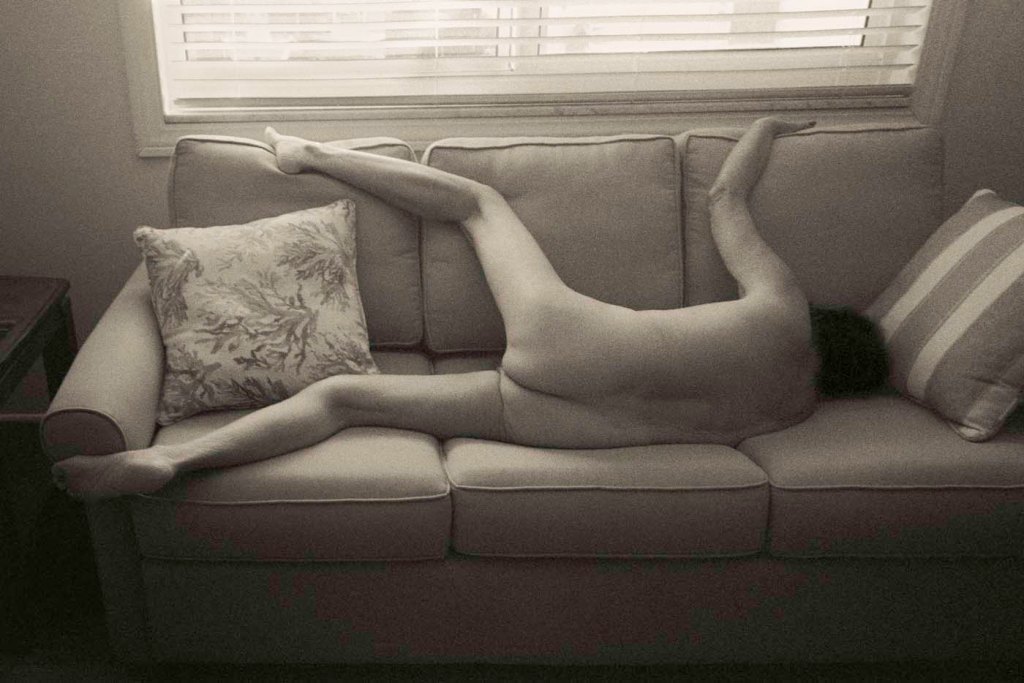
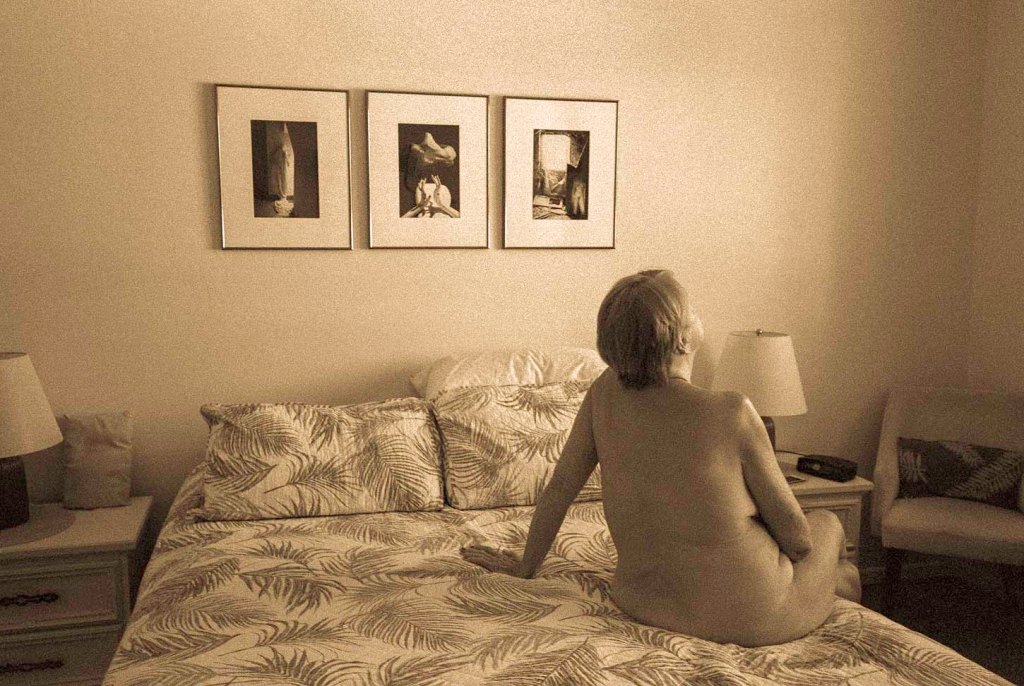

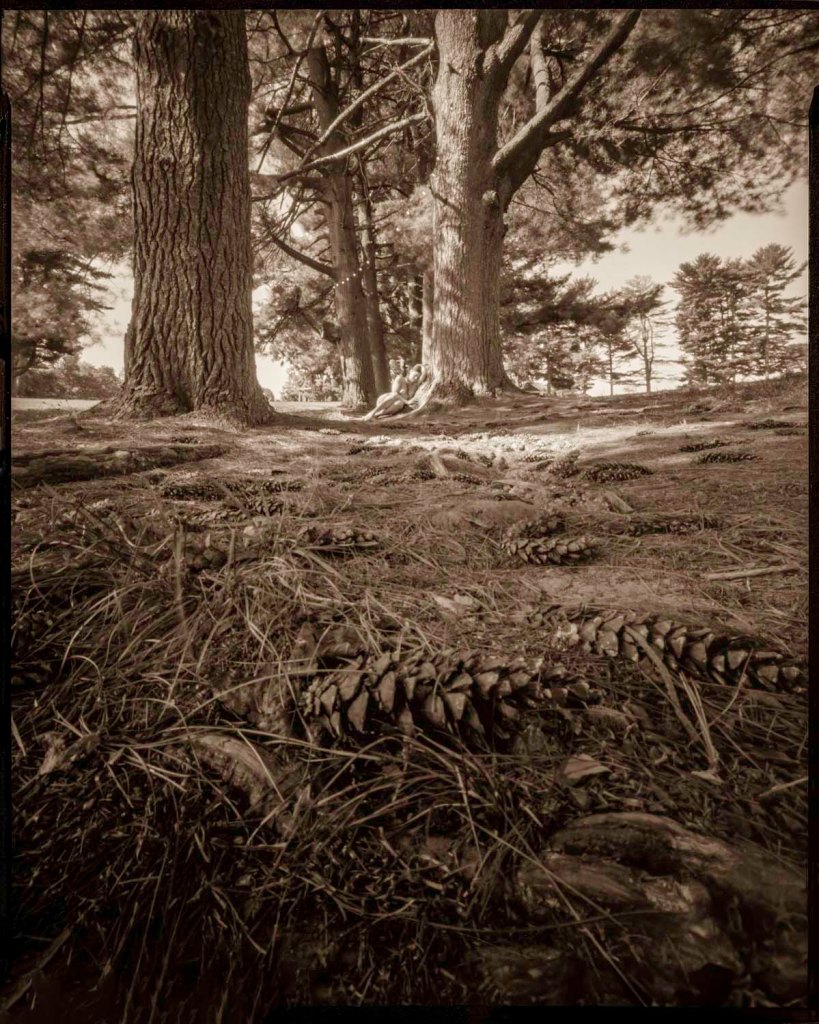
 Sleeping Mind Photography